
Throwaway culture is breaking down — and people are starting to fix it.
Across the world, a movement known as the repair economy is restoring both products and values: durability, stewardship, and self-reliance.
For BOUDI, repair is not just an act of maintenance; it’s an act of meaning.
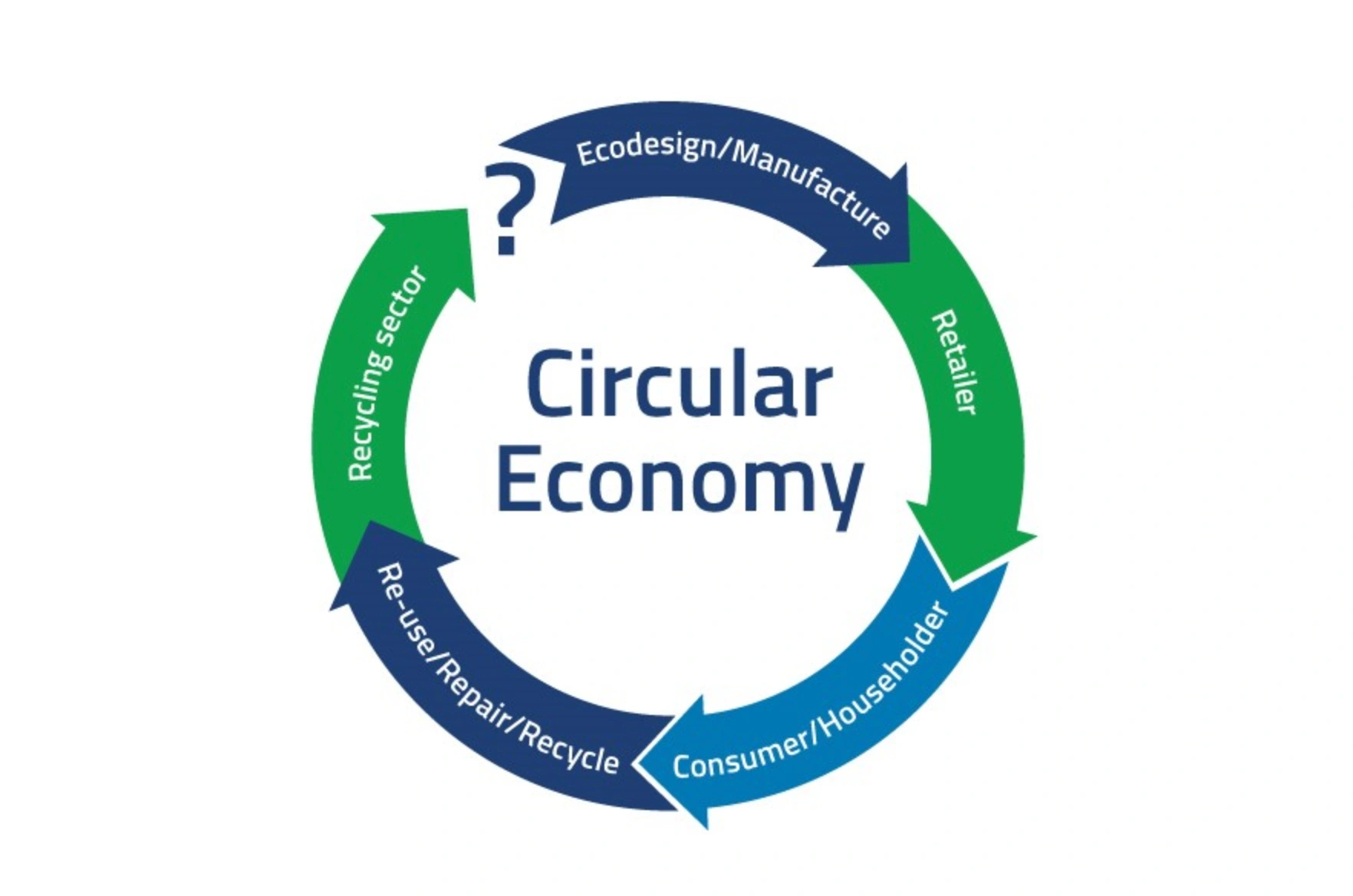
By designing recyclable and modular products, BOUDI ensures that every panel, shelf, or display can be repaired, reused, or reborn, keeping materials in circulation and value in communities.
What Is the Repair Economy?
The repair economy is a system in which products are designed, sold, and supported with the expectation that they will be fixed — not discarded.
It includes independent repair shops, manufacturer take-back programs, and consumer-led initiatives empowered by right-to-repair laws.
According to the Ellen MacArthur Foundation, extending the average life of consumer goods by just one year could cut global waste by 30 % and reduce material demand by 20 %.
In essence, repair is the missing link between sustainability and affordability — a bridge BOUDI helps build through design.
Why Repair Matters for Sustainable Retail
Retail used to measure success by sales volume; now it’s measured by product lifespan.
Encouraging repair delivers clear benefits:
- Environmental: Fewer resources extracted, less waste created.
- Economic: Lower costs for both consumers and retailers.
- Social: Local jobs and craftsmanship revived.
- Regulatory: Compliance with EPR and eco-design directives.
BOUDI’s recyclable materials and modular systems make repair simpler — and profitable — for brands embracing circular retail.
The Global Repair Movement
Governments and consumers are pushing back against disposability:
- European Union: “Right-to-Repair” law (2024) mandates access to spare parts and manuals for up to 10 years.
- United States: States like New York and California passed repair-rights legislation for electronics.
- France: Introduced the “Repairability Index,” rating products by ease of repair.
- Asia: Japan and South Korea offer tax incentives for repair services.
These policies are turning repair from an afterthought into an industry — one aligned with circular principles that companies like BOUDI already practice.
BOUDI’s Approach to Repairable Design
BOUDI embeds repairability at the material and structural level:
1. Modular Design
BOUDI’s products—EKOCASE, EKOPANO, EKOMOBILIER—are built from interchangeable components fastened by screws, not glue. Each part can be replaced independently.
2. Recyclable Materials
Made from mono-material recycled plastics (PP and PE), every piece can be melted and remolded without degradation.
3. Accessible Documentation
BOUDI provides technical sheets and digital material passports detailing how to repair or recycle every product component.
4. Inclusive Craftsmanship
As an entreprise adaptée, BOUDI trains employees with disabilities in repair and restoration skills, blending social inclusion with environmental impact.
The Economics of Repair
| Metric | Impact / Benefit |
| Product lifecycle extension | +40 % average increase |
| Consumer loyalty | +30 % repeat-purchase rate |
| Waste reduction | −50 % landfill contribution |
| Local job creation | 200 000 + new roles in EU repair sector |
For BOUDI’s partners, integrating repairable materials reduces maintenance costs and enhances ESG performance – a win for both the balance sheet and the planet.
Case Studies: Repair in Action
- iFixit democratized electronics repair through open-source manuals and tools.
- Patagonia’s Worn Wear program repairs outdoor gear to extend usability.
- IKEA now supplies spare parts to customers online.
- Fairphone designs smartphones with replaceable modules.
- BOUDI brings these same principles to retail infrastructure—materials, furniture, and signage built to last decades.
Each example proves that repair is no longer a niche—it’s a new norm.
The Social Dimension of Repair
The repair economy thrives on people, not just products.
BOUDI’s inclusive model creates meaningful employment while teaching technical skills.
Each restored item represents not only saved material but also renewed dignity—proof that sustainability succeeds when everyone participates.
The Future of Fixing: From Product to Platform
Tomorrow’s repair economy will be networked and transparent:
- Community repair hubs supported by retailers.
- Online parts marketplaces for open sourcing.
- Subscription models offering maintenance as a service.
BOUDI plans to connect its materials to this ecosystem—so every EKOPANO panel or EKOMOBILIER chair can one day be registered, tracked, and repaired through digital collaboration.
Key Takeaways
- The repair economy transforms waste prevention into value creation.
- Global policies now protect consumers’ right to repair.
- BOUDI designs modular, recyclable products made for maintenance.
- Repair boosts profits, ESG scores, and community well-being.
- The future belongs to brands that fix, not discard.