
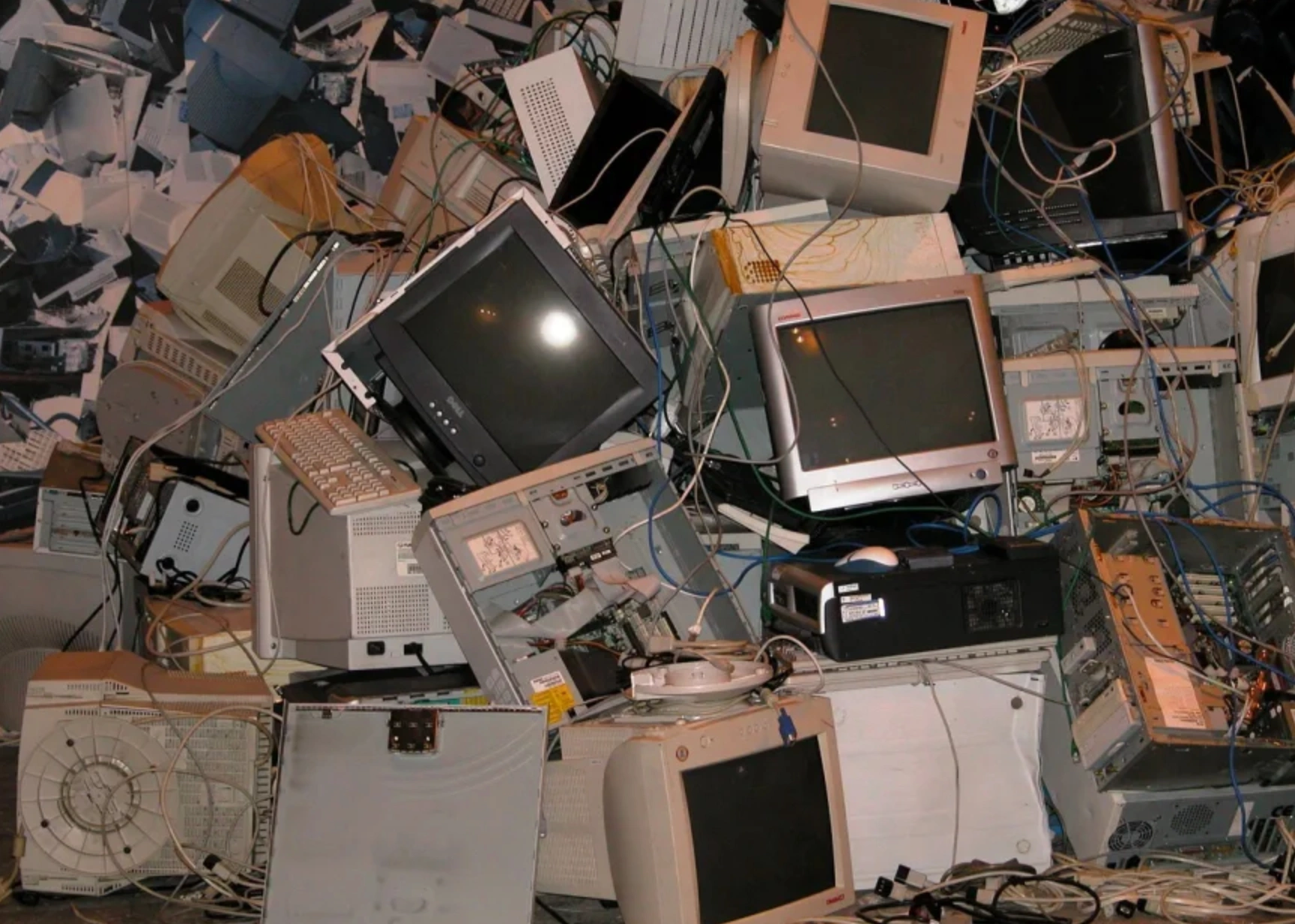
The future of retail doesn’t belong to the new—it belongs to the renewed.
Refurbished goods, once considered second-tier, are now driving profits, loyalty, and sustainability across industries. From electronics to furniture to industrial materials, the recommerce revolution is proving that regeneration can outperform replacement.
At BOUDI, we see this every day. Our recycled plastic materials form the backbone of a refurbishment economy, where waste is reimagined as opportunity. Just as Back Market extends the life of smartphones, BOUDI extends the life of plastic—turning used materials into new, market-ready products that deliver both profit and purpose.
Circularity isn’t a cost. It’s a catalyst for growth.
What Does “Refurbished” Really Mean?
Refurbishment is more than repair-it’s renewal.
It involves restoring products or materials to “like new” condition, ensuring full functionality, quality, and reliability. In many cases, refurbished goods are better than new because they combine tested durability with lower environmental impact.
According to the Ellen MacArthur Foundation, circular business models such as refurbishment could generate over $700 billion in annual global savings by 2030.
At BOUDI, we translate that insight into material innovation. By regenerating post-consumer plastics into premium panels and furniture, we’re proving that refurbishment isn’t limited to electronics-it’s a philosophy that applies to every sector.
Why Refurbished Goods Matter for Retailers
Refurbishment lies at the intersection of sustainability and profitability.
Retailers gain:
- Higher Margins – Reusing materials costs less than sourcing virgin inputs.
- Customer Loyalty – Shoppers trust brands that value longevity.
- ESG Performance – Lower waste and emissions improve sustainability metrics.
- Regulatory Compliance – Meets European Extended Producer Responsibility (EPR) obligations.
For example, Apple’s Certified Refurbished program generated millions in resale value while reinforcing trust through quality guarantees. BOUDI applies the same principles—rigorous testing, traceability, and design excellence—to recycled materials.
BOUDI’s Model of Material Refurbishment
While most refurbishment focuses on finished goods, BOUDI specializes in material-level renewal.
Here’s how it works:
1. Collection & Sorting
BOUDI collects post-consumer and post-industrial plastics via partners like Veolia, Suez, and ECOMAISON.
2. Transformation
Using proprietary processes and technology co-developed with IMT Mines Alès and C2MA, BOUDI restores polymer properties to near-virgin quality.
3. Creation & Resale
Rejuvenated materials are crafted into EKOCASE, EKOPANO, and EKOMOBILIER product lines—used in retail, design, and construction sectors.
This process closes the loop between waste and value, transforming “end-of-life” plastics into high-performance materials fit for modern retail environments.
Global Leaders in the Refurbishment Revolution
The refurbished economy spans industries and scales:
- Back Market (France): Europe’s biggest refurbished-electronics marketplace, now valued over $5 billion.
- Apple Refurbished: Proves that sustainability can align with luxury through quality assurance.
- Patagonia’s Worn Wear: Extends product life through repair and resale.
- IKEA’s Circular Hub: Buys back used furniture and resells it at accessible prices.
BOUDI operates in this same spirit—only at the material infrastructure level. We supply the foundations that help brands design, build, and display sustainably.
From Waste to Premium: BOUDI’s Value Proposition
BOUDI turns something discarded into something desirable.
Our recycled plastic materials retain the strength and style of virgin plastic while offering distinctive color patterns that reflect their reclaimed origins.
Each BOUDI product is:
- Durable: built to last years, even under heavy commercial use.
- Circular: fully recyclable at the end of its life.
- Traceable: verified through digital documentation and EPR tracking.
- Beautiful: available in custom finishes that highlight the material’s story.
In short, we make waste premium—and that premium drives profitability.
How Refurbishment Boosts Circular Profitability
The math s clear: circular operations are good business.
| Profit Driver | Impact |
| Material savings | Up to 30% cost reduction vs. virgin inputs |
| Customer retention | +40% loyalty for sustainable brands |
| Waste disposal cost | -50% via reuse and reverse logistics |
| ESG score impact | +25% improvement through transparency |
By controlling both material and logistics loops, BOUDI helps partners capture financial and reputational benefits simultaneously.
Transparency, Traceability, and Trust
Profit in circular retail depends on trust.
That’s why BOUDI embeds traceability systems into every product batch. Clients receive documentation proving recycled content, CO₂ savings, and life-cycle data.
Working with partners like ECOMAISON and CREALIA Occitanie, we ensure full compliance with European standards for material recovery. Transparency transforms sustainability from marketing promise to measurable proof.
The Human Side of Circular Profit
At BOUDI, circularity is as human as it is industrial.
As an entreprise adaptée, BOUDI employs people with disabilities who bring craftsmanship and purpose to every recycled panel and furniture piece.
Their work restores more than materials—it restores meaning.
By combining environmental innovation with social inclusion, BOUDI defines a new kind of profitability: one rooted in people, not just numbers.
Challenges in the Refurbishment Ecosystem
The refurbished goods market still faces hurdles:
- Consumer perception—some still equate “refurbished” with “used.”
- Logistical complexity—collection and reprocessing require coordination.
- Policy adaptation—EPR standards vary across regions.
BOUDI tackles these by combining storytelling and certification.
Every product carries both a technical guarantee and an emotional narrative—proof that refurbished can be reliable, responsible, and remarkable.
Innovation Ahead: AI and Circular Design
Technology is accelerating refurbishment:
- AI sorting systems optimize material identification.
- Life Cycle Assessments (LCA) quantify environmental savings.
- Material passports document provenance for future reuse.
BOUDI is integrating these tools to ensure that every recycled product today becomes tomorrow’s raw material—again and again.
Key Takeaways
- Refurbished goods combine sustainability with profitability.
- BOUDI extends refurbishment to material regeneration.
- Traceability and transparency build customer trust.
- Inclusive employment makes profit socially meaningful.
- Refurbishment drives higher margins and lower emissions.