
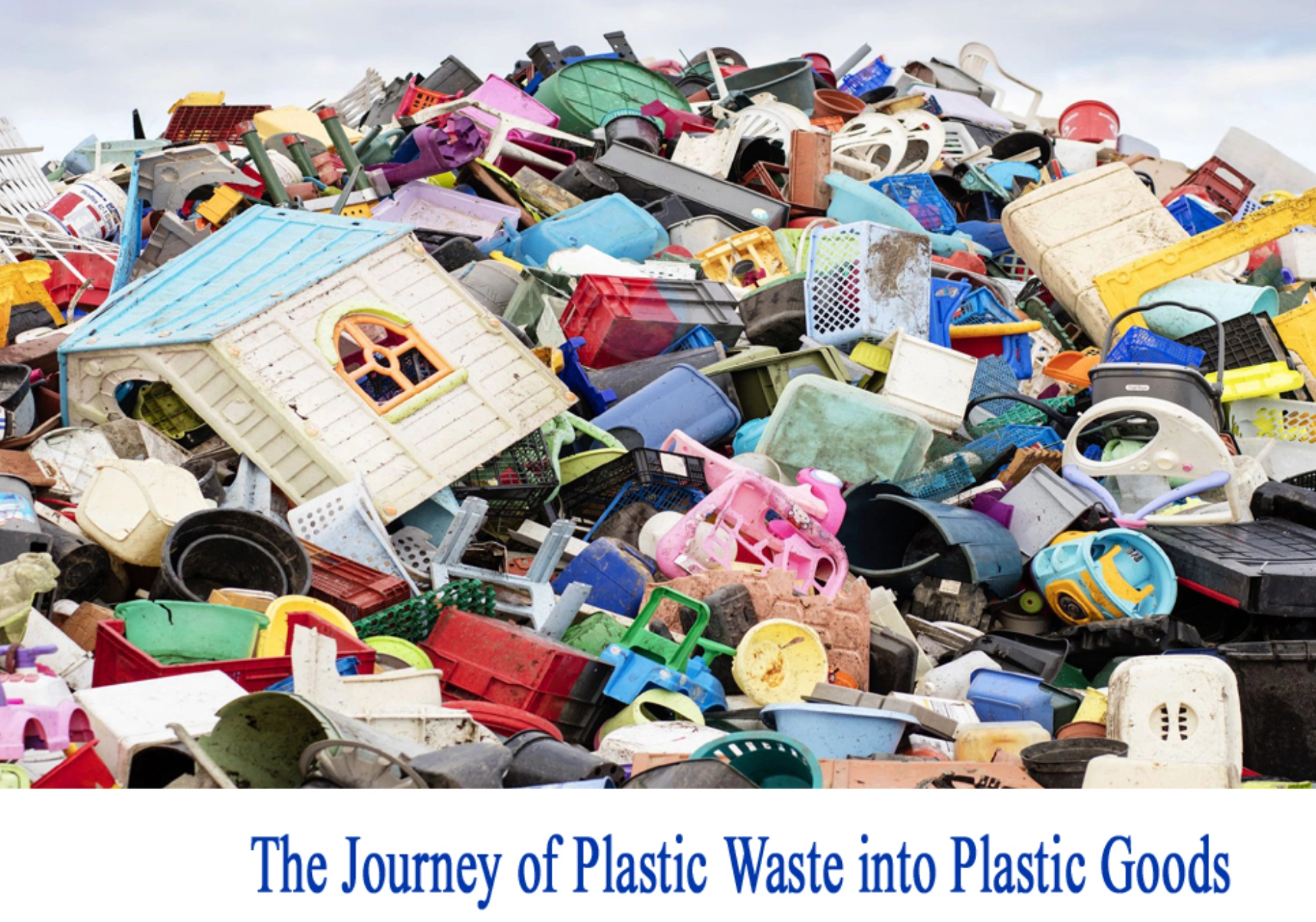
Plastic is everywhere-and that’s exactly the problem.
For decades, the world treated plastic as cheap, disposable, and endless. But the tide is turning. A new generation of retailers, designers, and manufacturers sees plastic waste as a resource, not a burden.
At the heart of this shift stands BOUDI, a French social enterprise proving that even the most persistent pollutant can become a foundation for progress. By reclaiming post-consumer plastics and turning them into high-performance panels, furniture, and construction materials, BOUDI is redefining what plastic can mean for business, people, and the planet.
The Plastic Problem and the Circular Opportunity
Each year humanity produces over 400 million tons of plastic, and less than 10 % is recycled. The rest litters landfills and oceans, contributing to microplastic pollution and carbon emissions.
The Ellen MacArthur Foundation warns that if nothing changes, the ocean could contain more plastic than fish by 2050. Yet this same material—lightweight, strong, and versatile—offers an enormous opportunity when handled responsibly.
That opportunity is the circular economy, where materials remain in use indefinitely. Companies like BOUDI, TerraCycle, and Plastic Bank are closing the loop by transforming plastic waste into new value streams. For retail, this evolution is not only ethical; it’s strategic.
BOUDI’s Model: Transforming Waste Into Worth
BOUDI doesn’t recycle plastic as an afterthought—it’s their entire business model. Working with regional partners such as Veolia, Suez, and ECOMAISON, BOUDI collects post-consumer plastics from municipal and industrial waste streams.
The process unfolds in three steps:
- Collection & Sorting: Plastic waste is sorted by polymer type (primarily PP and PE) to ensure quality and consistency.
- Regeneration: BOUDI’s workshop transforms the raw waste into recyclable flakes and granules.
- Creation: These are molded into products that live long, beautiful, and circular lives—flight cases (EKOCASE), wall panels (EKOPANO), and furniture (EKOMOBILIER).
Every product is 100 % recycled and 100 % recyclable, creating a closed-loop material ecosystem that keeps plastic in circulation and out of nature.
Why Retailers Embrace Recycled Plastic
Retailers worldwide are recognizing the multiple advantages of recycled plastic:
| Advantage | Benefit |
| Cost Efficiency | Recycled feedstock lowers material expenses and stabilizes supply. |
| Durability | High-grade recycled PP rivals virgin plastic in strength. |
| Brand Value | Sustainability builds trust and emotional connection. |
| Compliance | Meets EPR and ESG requirements for waste reduction. |
BOUDI’s retail clients use its materials for in-store furniture, signage, and packaging, aligning brand aesthetics with sustainability. As consumers demand transparency, recycled content becomes not just a nice-to-have, but a competitive edge.
Global Examples of Plastic Reuse in Retail
Across sectors, circular retail is already reshaping how brands source and produce:
- IKEA integrates recycled plastics into its furniture lines.
- Adidas collaborates with Parley for the Oceans to make shoes from reclaimed marine waste.
- Lush sells “naked” products packaged in reusable, 100 % post-consumer containers.
- Patagonia transforms plastic bottles into outdoor gear.
BOUDI’s contribution complements these efforts. Rather than consumer goods, it focuses on infrastructure materials that enable sustainable design-eco-panels, cladding, and modular elements used by builders and retailers alike.
This dual approach-reusing both products and materials-ensures that plastic stays productive throughout its lifecycle.
Technology Driving Circular Manufacturing
Recycling plastic efficiently requires innovation.
BOUDI invests in continuous R&D alongside IMT Mines Alès and C2MA (Centre des Matériaux) to improve sorting, melting, and molding processes.
Emerging tools are revolutionizing plastic reuse:
- AI-enabled sorting identifies polymers by color and density.
- Material passports (digital IDs) document each product’s composition.
- Life Cycle Assessment (LCA) software quantifies environmental savings.
By adopting these technologies, BOUDI ensures every material can be traced, reused, and trusted-a model aligned with Europe’s Extended Producer Responsibility directives.
The Retailer’s Perspective: Challenges & Solutions
Transitioning from virgin to recycled plastics presents challenges:
- Perception: Some still equate “recycled” with “inferior.”
- Supply Stability: Recycled feedstock quality can vary.
- Design Adaptation: Existing molds or aesthetics may require adjustment.
BOUDI addresses these through transparency and partnership.
Clients receive documentation certifying recycled content and carbon savings, while BOUDI engineers assist with design optimization. The result: products that perform as beautifully as they protect the planet.
Economic Impact: When Sustainability Pays Off
Recycled plastic isn’t just ethical-it’s economical.
Research by the OECD shows that closed-loop manufacturing can cut production costs by up to 25 % over time. BOUDI’s in-house recycling eliminates raw-material imports, reducing exposure to price volatility.
For retailers, using BOUDI materials reduces waste-disposal fees and qualifies them for green-procurement credits and sustainability certifications (like ISO 14001). The savings quickly offset initial investments in circular design.
Plastic’s New Story
Plastic once symbolized convenience; now it represents conscience.
In BOUDI’s workshops, workers transform what was once waste into materials of purpose and pride. Every EKOCASE flight case, every EKOPANO panel, and every EKOMOBILIER table embodies the principle that nothing is ever truly disposable.
When consumers enter a store built or furnished with BOUDI materials, they experience more than design-they witness the story of rebirth written in recycled plastic.
Key Takeaways
- Plastic waste can become a resource through circular manufacturing.
- BOUDI, Veolia, and Suez lead the shift from disposal to regeneration.
- Retailers gain cost efficiency, compliance, and customer loyalty.
- Inclusive employment gives social meaning to sustainability.
- Innovation-AI sorting, LCA, material passports-makes circularity measurable.